
How Do You Prevent Frozen Pipes?
To prevent frozen pipes, focus on three things: insulate exposed pipes in attics, crawl spaces, and garages, keep your thermostat at 55 degrees or higher even when you're away, and let faucets drip during extreme cold to keep water moving. Frozen pipes are the #1 cause of winter water damage in central Illinois. A single burst pipe can release hundreds of gallons and cause $5,000-$25,000 in damage. Here's a complete prevention checklist.
1. Insulate Exposed Pipes
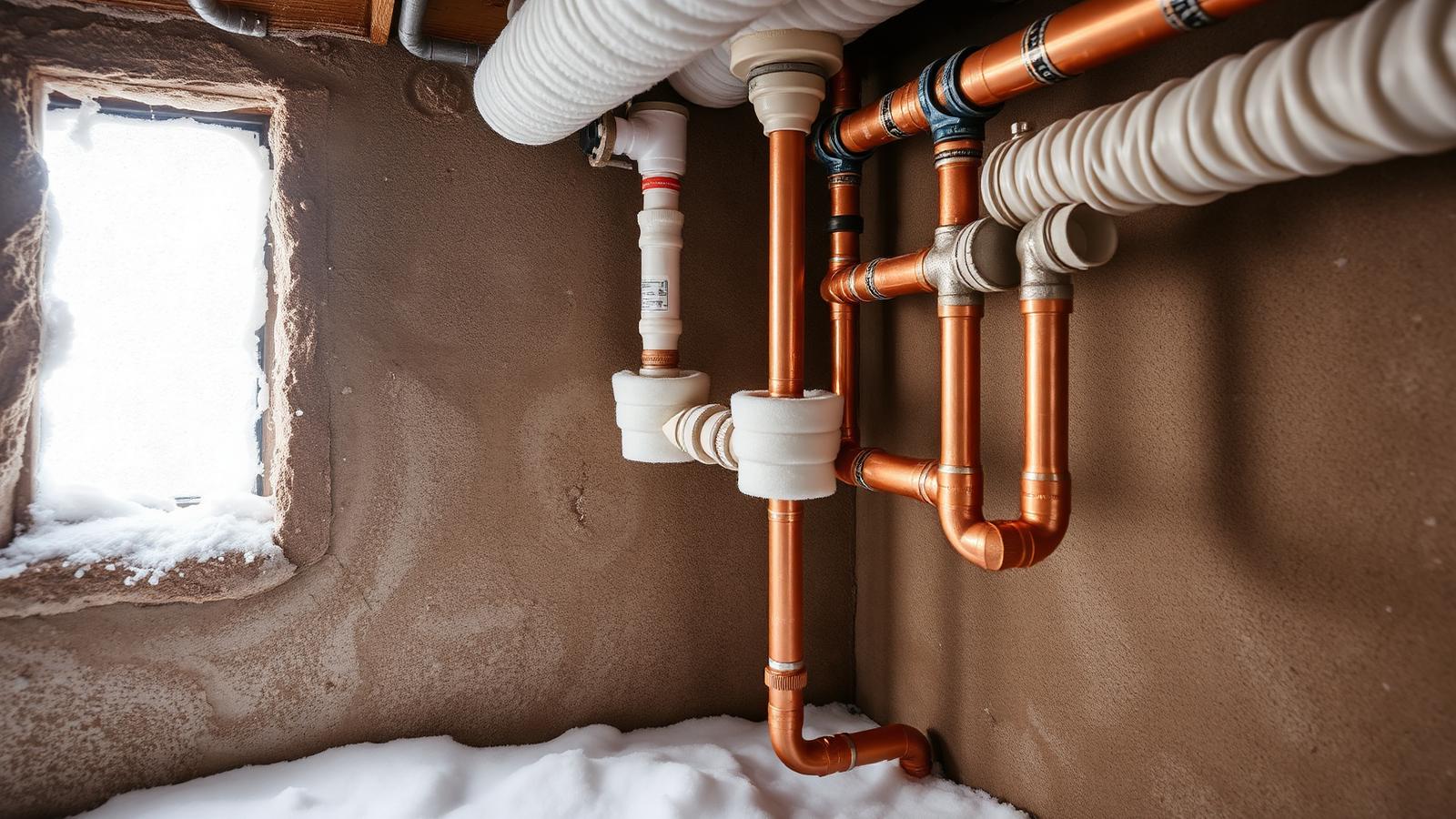
Pipes in unheated spaces are most at risk: attics, crawl spaces, garages, and exterior walls. Use foam pipe insulation sleeves (under $1 per foot at any hardware store). Pay extra attention to pipes near exterior walls and in areas where cold air enters. This single step prevents the majority of freeze-related bursts.
2. Disconnect Garden Hoses Before the First Freeze
A garden hose left connected traps water in the outdoor faucet and the pipe behind it. When that water freezes, it expands and cracks the pipe - often inside the wall where you won't notice until spring. Disconnect all hoses, drain the outdoor faucets, and shut off the interior supply valve to each outdoor spigot.
3. Keep Your Thermostat at 55 Degrees or Higher
Turning the heat down to save money while you're on vacation is the #1 cause of frozen pipes in empty homes. Keep the thermostat at 55 degrees minimum. The cost of running your furnace a little extra is nothing compared to a burst pipe flooding your house while you're away.
4. Open Cabinet Doors During Cold Snaps
Pipes under kitchen and bathroom sinks along exterior walls are especially vulnerable. Open the cabinet doors to let warm air from the room reach the pipes. It sounds simple because it is - and it works.
5. Let Faucets Drip During Extreme Cold
When temperatures drop below 20 degrees, let the faucets on exterior walls drip slightly. Moving water is much harder to freeze than standing water. A small drip can prevent a $10,000 disaster.
What Should You Do If Your Pipes Freeze?
If you turn on a faucet and nothing comes out, a pipe is probably frozen. Do NOT use a torch or open flame - that causes fires and can burst the pipe. Use a hair dryer, heating pad, or warm towels. Open the faucet so melting water can flow. If you can't locate the frozen section or if a pipe has already burst, shut off your main water valve and call a plumber immediately. Trouble Free provides pipe repair and emergency leak repair across Peoria, Pekin, Morton, Washington, and surrounding areas. If a basement flood is your bigger worry, our sump pump service keeps the water out. To keep your home trouble-free, call (309) 347-5309.